By clicking “Accept All Cookies”, you agree to the storing of cookies on your device to enhance site navigation, analyze site usage, and assist in our marketing efforts. View our Privacy Policy for more information.
Personal Training Isn’t Just About Getting Fitter
Personal Training geared to working out the stuff better your ears.
By
February 9, 2026

Related

Personal Training Isn’t Just About Getting Fitter, It’s About Training Smarter
A common reason people start Personal Training isn’t to chase a brand‑new goal but to get back to where I was.
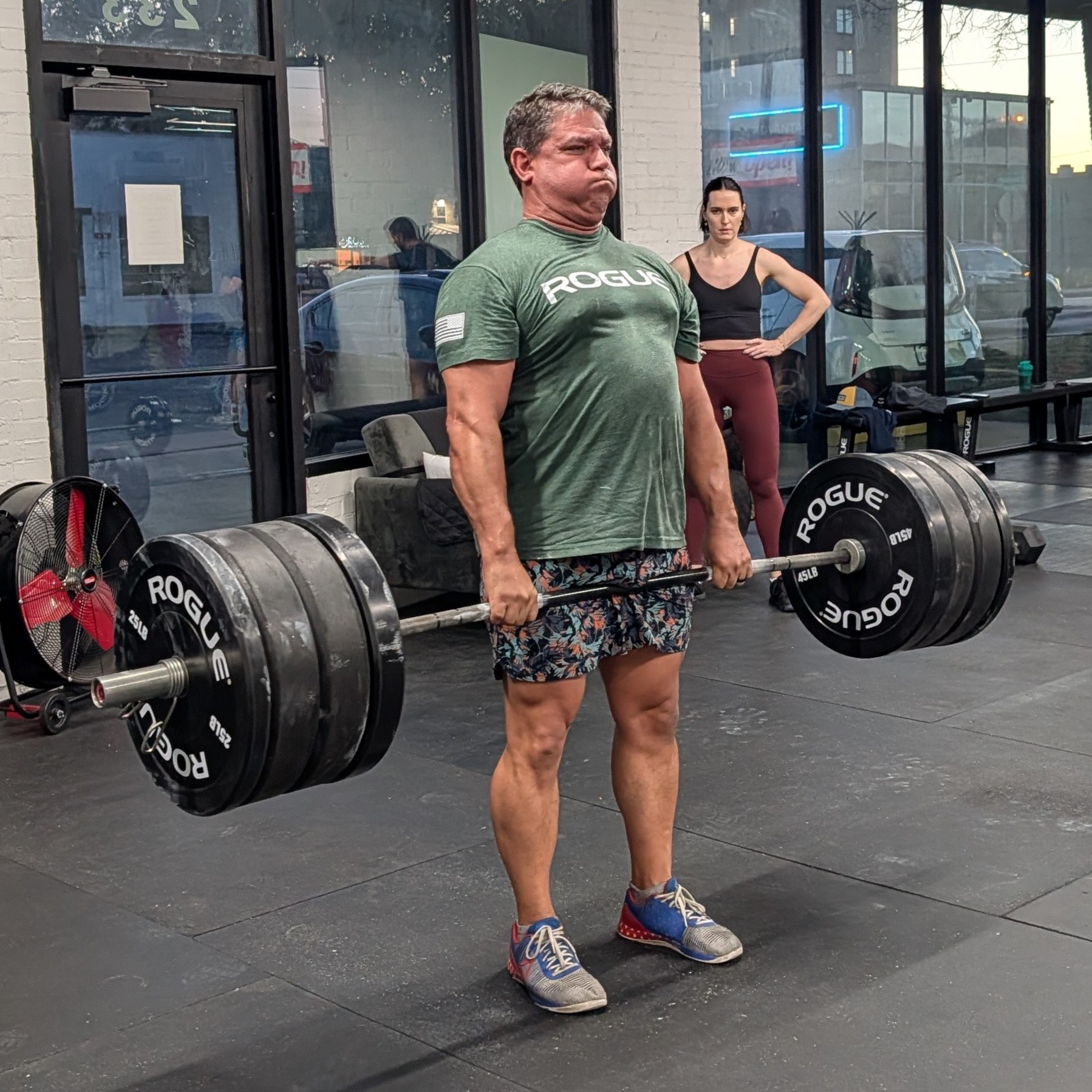
That’s exactly why this client started working with me.
He already trained. He already cared about his fitness. But his training had become inconsistent, repetitive, and frustrating. Some weeks he’d push hard. Other weeks he’d miss sessions entirely. And when workouts felt tough, his default response was to go faster, grind through it, or just quit.
So we didn’t start by piling on more intensity. We started by rebuilding the foundation.
Diversifying Training and Building Weekly Consistency
One of the main goals of our Personal Training sessions is variety with intention.
Not random workouts. Not constantly changing things for the sake of novelty. But purposeful variety that fills gaps:
- Strength work he had been avoiding or rushing through
- Aerobic training that didn’t turn into a red‑line effort
- Technique work focused on quality instead of speed
The bigger win, though, has been weekly consistency. Showing up, training at a sustainable effort, and stacking weeks together instead of swinging between extremes.
Consistency wins every time, especially when you’re trying to rebuild.
Breaking Bad Habits and Learning Pacing
Fitness-wise, some things were new. Or at least felt new.
Old habits had to be unlearned:
- Starting workouts at unsustainable pace
- Treating every session like a test
- Letting fatigue dictate technique
Pacing has been a big focus. Learning how to move at an effort he can hold, not just survive for a few minutes then die for the rest of the workout.
Once pacing improves, several great things followed:
- Better technique throughout the session
- More consistent output, equally more reps/work
- Less frustration mid‑workout
- Faster recovery between sessions
The Mental Side of Training Matters More Than People Think
The other major focus of our sessions has been mindset and self-talk.
This client is hard on himself. Very hard.
When workouts felt uncomfortable, his internal dialogue immediately went to:
- This is awful.
- I’m behind.
- I should be better than this.
That mental noise pulls attention away from what actually helps performance.
So we started practicing something different.
Instead of focusing on how hard things feel, we shift attention to:
- Thoughts to push the effort, not talk us into stopping
- The technique of the rep
- How to approach the remaining work
Forward‑thinking, not spiraling down.
This is a skill, and like any skill, it improves with practice.
Noticing Progress Changes Everything
Something interesting happened once I started consistently pointing out improvements.
Better pacing. Cleaner movement. Less panic when workouts got uncomfortable.
Once those changes were highlighted, he started noticing them too.
And that’s when momentum picked up.
Progress isn’t always dramatic. Most of the time it’s subtle. If no one helps you see it, it’s easy to miss when you’re your harshest critic.
The Problem With Romanticizing the Past
We also talk about something a lot of people struggle with: romanticizing past fitness.
Many of us remember a version of ourselves that felt fitter, faster, stronger.
Often, that version wasn’t as capable as we think. Or it came with injuries, burnout, or habits that weren’t sustainable.
Either way, constantly measuring today against the past isn’t very useful.
The more productive route is this:
- Make peace with where you are now
- Train according to your current reality
- Focus on getting a little better each week
- Adjusting our timeline so we see improvements in their due time
That’s how progress actually sticks.
Why Personal Training Helps
Personal Training isn’t about someone counting reps.
It’s about:
- Structuring training so it supports consistency
- Teaching effort control for hit a stimulus
- Catching technique issues before they turn into problems
- Coaching mindset when frustration creeps in
- Helping you recognize progress you’d otherwise overlook
If you’ve been stuck in the get back to where I was loop, Personal Training can help you move forward instead of chasing a memory.
Ready to Get Started?
If this sounds familiar, the first step is simple.
Book a No Sweat Intro. We’ll talk about where you’re at, what’s been holding you back, and whether Personal Training makes sense for you right now.
No pressure. Just a clear conversation about how to train smarter and move forward.
Book your No Sweat Intro today.