By clicking “Accept All Cookies”, you agree to the storing of cookies on your device to enhance site navigation, analyze site usage, and assist in our marketing efforts. View our Privacy Policy for more information.
Don't Wait: Start Early, Age Better
The benefits of strength, muscle, and cardiovascular training for your future self.
By
December 8, 2025

Related

Start Earlier, Age Better: Why Long-Term Health Starts Now
Most people don’t start thinking seriously about long-term health until something forces the issue. A doctor’s warning, a persistent ache, or the moment when “bouncing back” takes longer than it used to. But your 30s and 40s are actually the best window to build the foundation that will determine how well you move, feel, and live in your 50s, 60s, and beyond.
Training isn’t just about staying in shape today. The work you do now protects your future quality of life. Here’s why starting sooner rather than later matters, and what types of training offer the biggest long-term return.
Cardiovascular Health: Why You Need Both High and Low Intensity
When people talk about heart health, they usually default to long, slow cardio. That’s part of it but not the whole picture. A strong cardiovascular system needs both high-intensity and low-intensity training, and each one offers different benefits that compound over time.
Low-Intensity Training: The Longevity Builder
Walking, easy cycling, light rowing, a slower pace circuit, these lower-effort sessions build your aerobic base.
Why it matters long-term:
- Improves your resting heart rate
- Helps your body recover faster
- Supports consistent energy throughout the day
- Lowers stress and improves sleep
- Keeps joints moving without adding load or strain
Lower Intensity training is sustainable and something you can (and should) continue doing late into life. If your goal is to age well, this is a non-negotiable.
High-Intensity Training: The Performance Booster
Short bursts of effort with rest in between or a sustained fast pace for an appropriate time, intervals, sprints, or efforts that keep your heart rate up.
Why it matters long-term:
- Increases VO₂ max, one of the strongest predictors of longevity
- Helps maintain athleticism as you age
- Sharpens your ability to push, recover, and repeat
- Supports blood sugar regulation
You don’t need to crush yourself to get the benefits. A few well-programmed sessions a week go a long way.
Why You Need Both
Low-intensity work keeps you healthy and builds an aerobic base. High-intensity work keeps you capable and builds your ability to push your threshold. Together, they create a resilient cardiovascular system that serves you now and protects you decades later.
Muscle & Strength: The Real “Health Insurance”
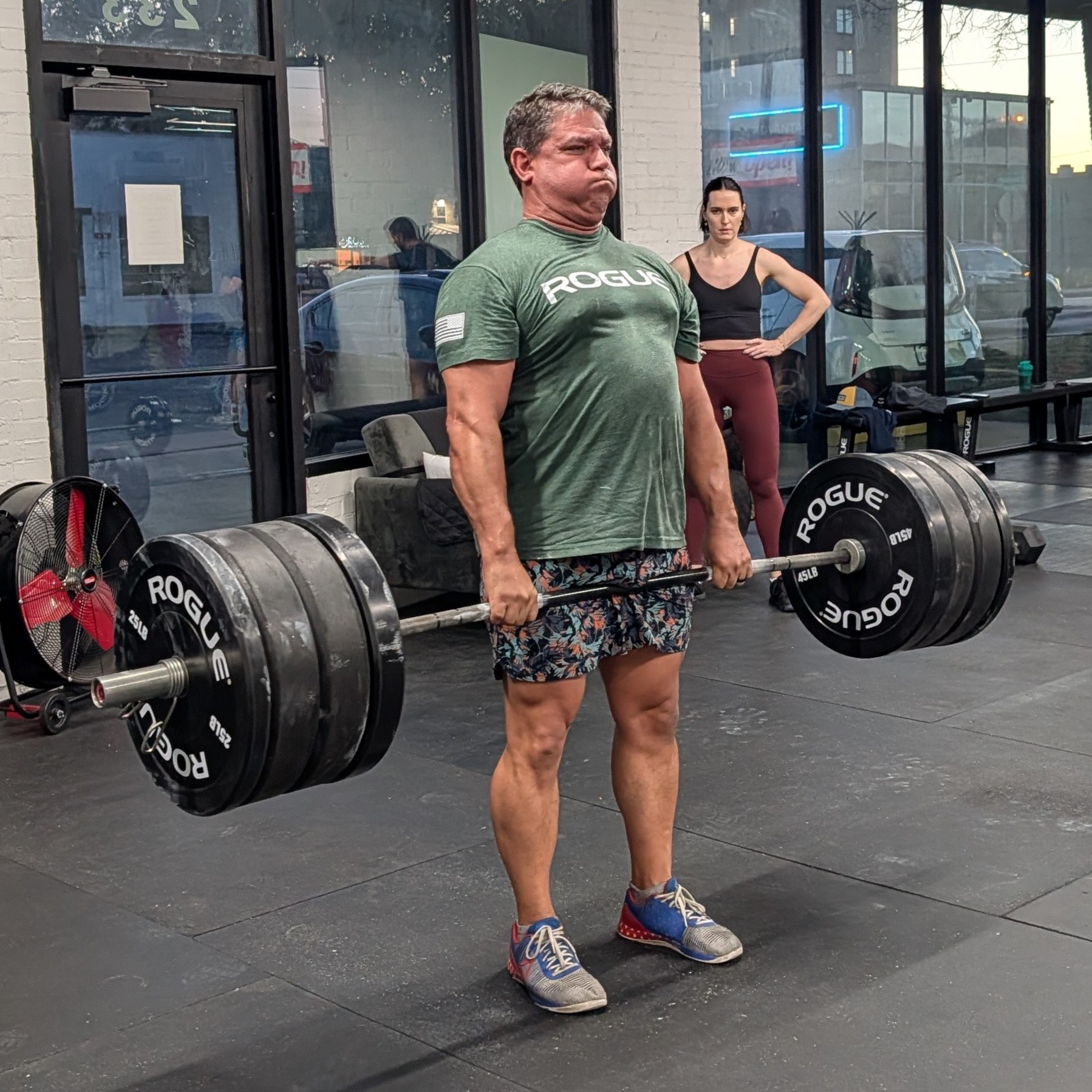
If there’s one thing research is clear about, it’s this: losing muscle is one of the biggest drivers of aging-related decline. Muscle mass starts to drop in your 30s if you don’t actively train to maintain it. Strength training is the antidote.
Benefits of Building Muscle and Strength Now
- Better metabolism: More muscle = better calorie and energy regulation.
- Better joint integrity: Strong muscles support and stabilize your joints.
- Better posture and movement: Strength fixes weak links that lead to chronic pain.
- Better bone density: Resistance training is the most effective way to prevent age-related bone loss.
- Better ability to handle life: Carrying groceries, picking up kids, moving furniture, getting off the floor. Life becomes easier.
As you get older, maintaining muscle becomes harder. That’s exactly why you should build as much as you can now. Your future self will be glad you did.
Addressing Nagging Issues Before They Become Bigger Problems
Most people in their 30s and 40s start noticing “small things”:
- Tight low back
- Stiff hips
- Achy knees
- Shoulder irritation
- Pain when sitting too long or getting up too fast
These aren’t just annoyances; they’re signals. They’re usually the result of weak muscles, poor movement patterns, or a lack of consistent training.
The good news:
Strength and cardiovascular training, done correctly, fixes most of these issues.
When you train, you’re not just sweating. You’re retraining your body to function the way it’s supposed to:
- Strong glutes reduce back pain
- Strong hamstrings protect your knees
- Strong upper back improves posture
- Better core strength supports everything
Correct the small problems now, and you avoid the bigger ones later.
Why Starting Young Matters for Healthy Aging
Starting early has many strategic benefits:
- The more muscle you’ll have when age-related loss begins
- The stronger your heart and lungs will be
- The more capable and pain-free your daily life will feel
- The less you’ll be limited by injuries, weakness, or fatigue
Think of it like compound interest for your health. Small, consistent deposits today become major dividends later.
Where to Go From Here
If you’re in your 30s or 40s and want to improve while keeping longevity in mind, you don’t need to train specifically for one thing like competitive athletes do. You need a well-balanced approach:
- 2–4 days per week of strength training
- A mix of low-intensity and high-intensity conditioning
- Sustainable habits, not extreme programs or fad diets
- Coaching when you need guidance or accountability
At Bishop Arts Fitness, this is exactly what we help people do: build long-term health while feeling better right now.
You don’t have to wait for something to go wrong. Start building your foundation today, so you can keep doing the things you love for decades to come.
Our members are doing this in Personal Training and in Group Classes. If you are interested in getting the help and guidance you need, Schedule A No Sweat Intro HERE and we can walk through which program would be best for you.